The e-commerce sector has grown exponentially, putting immense pressure on logistics networks and supply chains across the globe. As order volumes increase, companies are scrutinising every stage of the fulfilment process to find cost-saving opportunities. One critical area that often escapes immediate attention is packaging design. Many businesses default to standard box sizes and generic protective materials, unaware that these choices significantly inflate shipping expenses. Evaluating your packaging strategy is no longer just about aesthetics or brand presentation; it is a fundamental component of operational efficiency and financial health.
Understanding dimensional weight pricing
Shipping carriers do not base their fees solely on the actual weight of a parcel. They utilise a metric known as dimensional weight, which calculates the amount of space a package occupies in a delivery vehicle. If your items are shipped in oversized boxes filled with excessive void fill, you are essentially paying to transport empty air. By redesigning your packaging to fit the specific dimensions of your products, you can drastically reduce the dimensional weight. This simple adjustment often leads to substantial reductions in freight charges, particularly for lightweight but bulky goods.
The hidden costs of over-packaging
Beyond the immediate carrier fees, inefficient packaging design introduces a cascade of hidden costs throughout your supply chain. Larger boxes require more storage space in your warehouse, driving up inventory holding costs and limiting your facility's capacity. Furthermore, packers spend additional time assembling oversized cartons and stuffing them with bubble wrap or packing peanuts. This slows down the fulfilment line and increases labour expenses. Streamlining your packaging materials allows your workforce to process orders more rapidly, improving overall warehouse throughput and reducing the physical strain associated with handling cumbersome parcels.
Material selection and sustainability
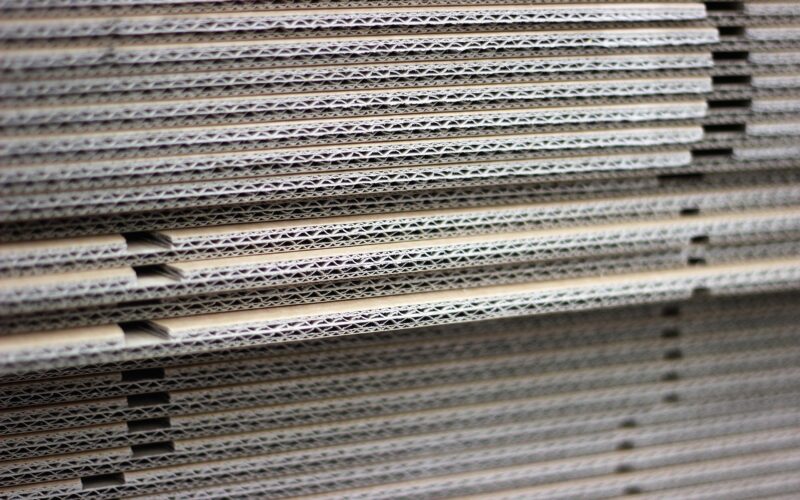
The materials you choose for your packaging play a pivotal role in shipping efficiency and your environmental footprint. Transitioning from heavy, rigid materials to lightweight, flexible alternatives like poly mailers or corrugated cardboard can lower the physical weight of your shipments. Modern material science has produced highly durable yet incredibly light packaging solutions that offer exceptional protection without adding unnecessary bulk. Furthermore, consumers in the UK and worldwide are increasingly demanding sustainable business practices. Adopting eco-friendly, right-sized packaging not only cuts your material and shipping costs but also enhances your brand reputation among environmentally conscious shoppers.
Protecting against damage and returns
While the goal is to minimise package size, this must never come at the expense of product protection. Damaged goods lead to expensive reverse logistics, replacement costs, and disappointed customers. A highly efficient packaging design achieves a delicate balance, providing maximum protection with minimal material. Custom inserts, moulded pulp, and engineered structural designs keep items securely in place during transit, preventing the movement that typically causes breakage. Investing in bespoke packaging might require an initial outlay, but the dramatic reduction in return rates and associated processing fees quickly yields a positive return on investment.
Auditing your current packaging strategy
To determine if your current approach is silently draining your profit margins, you must conduct a thorough packaging audit. Start by analysing your most frequently shipped items and measuring the average amount of empty space in their respective boxes. Track your carrier invoices to identify instances where dimensional weight pricing was applied instead of actual weight. Engage with your warehouse staff to understand the practical challenges they face during the packing process. By gathering this data, you can identify the inefficiencies in your current operation and begin testing alternative packaging designs that optimise both space and weight, ensuring your shipping strategy contributes to your bottom line rather than depleting it.