Creating the perfect packaging requires an equal measure of artistic vision and practical engineering. A product must capture consumer attention quickly, yet survive the arduous journey from the manufacturing plant to the shop floor. Achieving this balance means understanding consumer behaviour and the physical demands of distribution. When a design focuses purely on aesthetics, the product risks damage during transit, leading to financial losses. Conversely, highly functional packaging that lacks visual appeal will simply blend into the background, failing to generate essential retail sales.
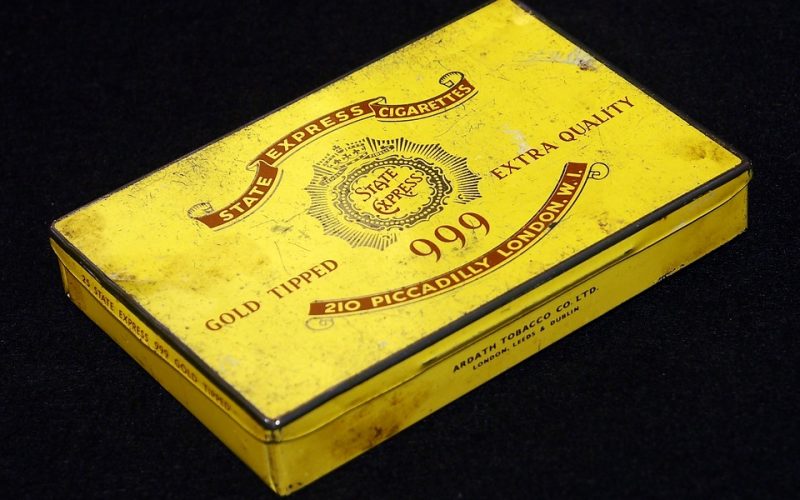
To navigate this process, designers must carefully consider the visual elements that communicate the brand's identity. The strategic use of colours, typography, and imagery plays a vital role in attracting the target audience. For example, minimalist designs with neutral tones often suggest premium quality, whereas vibrant colours target a more energetic demographic. Exterior artwork acts as the silent salesperson of the retail sector, constantly working to persuade shoppers to make a purchase. Investing resources into market research is essential to ensure these aesthetic choices resonate with buyers and stand out on crowded shelves.
Understanding the practical requirements of structural integrity
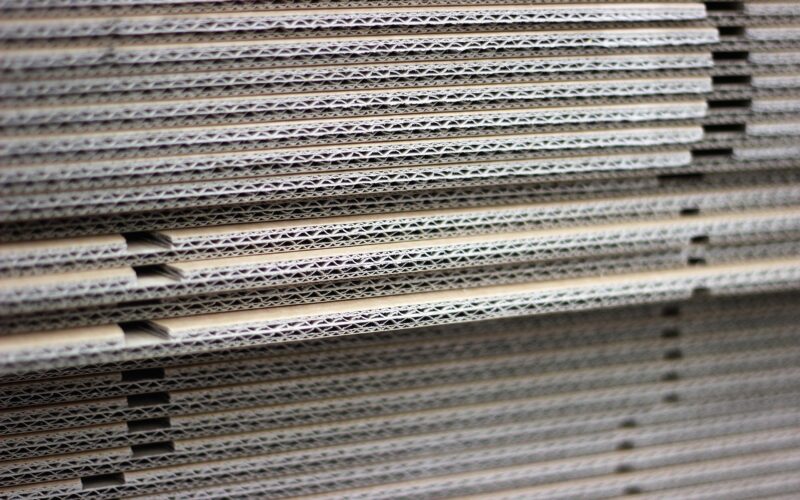
While the exterior artwork draws the consumer in, structural integrity ensures the product remains intact. The physical shape and material composition must be selected to provide protection against impacts and temperature fluctuations. Corrugated cardboard offers excellent cushioning for fragile items, whilst rigid plastics might be necessary for perishable goods requiring an airtight seal. Furthermore, chosen materials must be lightweight enough to minimise shipping costs but durable enough to prevent breakages. Engineers spend hours testing packaging under rigorous conditions to guarantee it can withstand rough handling during logistics operations.
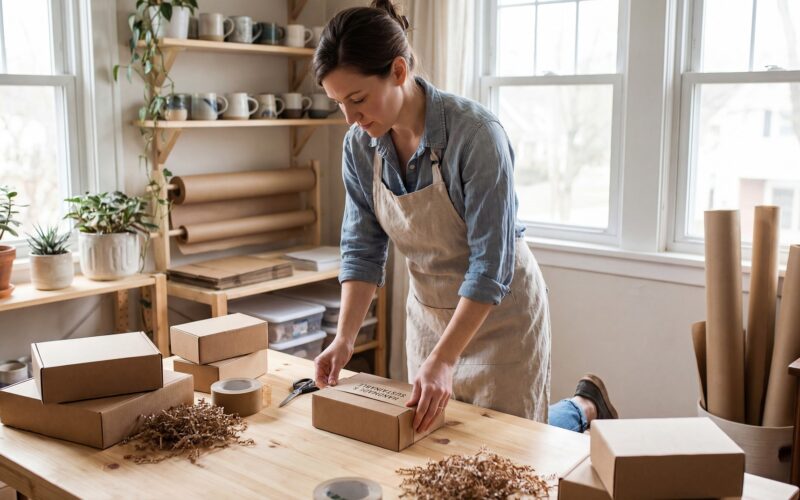
Another crucial aspect of functional design is the user experience, which begins the moment the consumer attempts to open the product. Frustration-free packaging has become a significant trend, driven by the desire to eliminate annoyance caused by excessive tape or complicated mechanisms. An ideal design allows the customer to access their purchase safely, without needing scissors. This focus on accessibility improves customer satisfaction and reflects positively on the brand's commitment to convenience. Brands that ignore this element often face negative reviews, regardless of the actual product inside.
Integrating sustainability into modern packaging solutions
The recent push towards environmental responsibility has forced the industry to embrace sustainable alternatives. Consumers are increasingly aware of the ecological impact of plastics and actively seek brands that prioritise eco-friendly materials. Designing for sustainability involves minimising material usage, incorporating recycled content, and ensuring the packaging is biodegradable. This transition presents a challenge, as designers must maintain structural strength and visual appeal while adhering to environmental standards. Fortunately, advancements in material science have led to the development of plant-based plastics, offering viable substitutes for conventional materials.
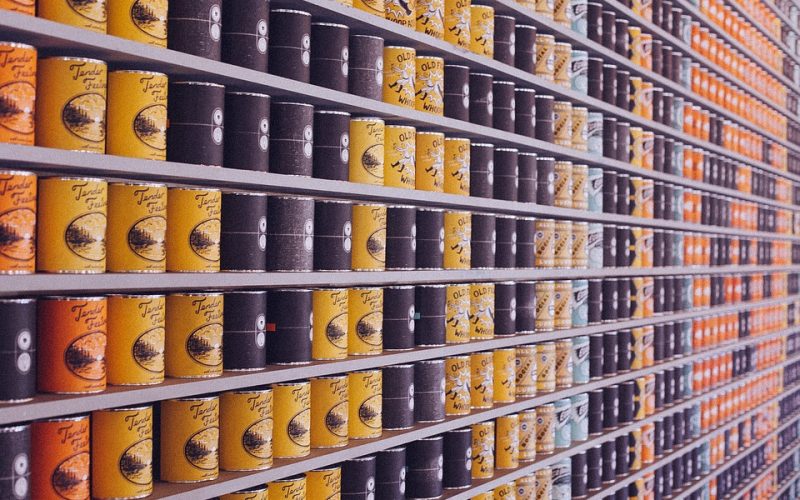
The logistics of storage also dictate the physical dimensions and shape of the packaging. Retailers favour products that are easy to stack efficiently on standard shelving units, meaning irregular shapes might be rejected if they consume too much space. Secondary packaging must align perfectly with pallet dimensions to maximise transport efficiency and reduce carbon emissions. Every millimetre of wasted space translates to higher shipping expenses for the manufacturer. Therefore, a successful design must accommodate the needs of the entire supply chain, from the warehouse worker to the final consumer.
Concluding thoughts on effective design strategies
Ultimately, the mastery of packaging design lies in the seamless integration of form and function. By prioritising both the visual allure and the physical durability of the materials, companies can protect their merchandise while building a recognisable brand presence. The most successful packaging solutions are those that respect the practical limitations of the supply chain without sacrificing the creative flair needed to captivate today's modern shopper.