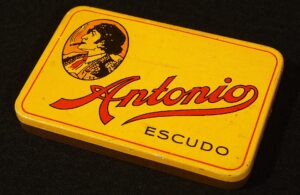
When developing a new product, businesses often find themselves torn between creating packaging that looks spectacular and packaging that actually survives the journey to the consumer. This tension between visual attractiveness and physical durability is a classic dilemma in the world of product design and manufacturing. On one hand, you want a box or container that immediately captures a shopper's attention in a crowded retail environment. On the other hand, that same container must withstand the rigours of shipping, handling, and stacking without failing. Achieving the perfect harmony between these two competing priorities is essential for any brand looking to succeed in today's highly competitive marketplace.
Understanding the power of visual attraction
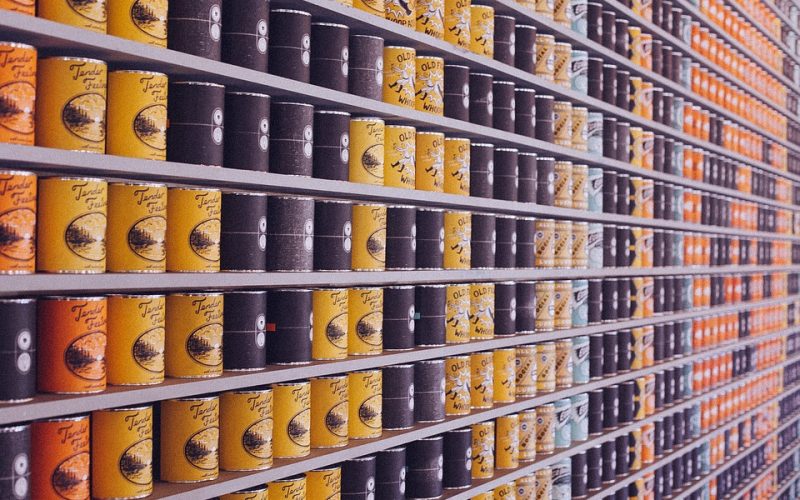
The aesthetic component of your packaging is often the very first interaction a consumer has with your brand, making it a critical factor in driving initial sales. Vibrant colours, unique shapes, and tactile finishes can turn an ordinary item into a premium experience that buyers are eager to take home. In a physical store, shoppers make purchasing decisions in a matter of seconds, meaning your product needs to stand out instantly among dozens of direct competitors on the shelf. However, focusing entirely on striking visuals can lead to design choices that fundamentally compromise the physical integrity of the packaging itself. A beautifully intricate cardboard cutout might look absolutely stunning on a designer's mood board, but it could easily tear or collapse when placed in a rough delivery van.
The hidden importance of robust structural integrity
While aesthetics draw the customer in, the physical strength of your packaging ensures that the product actually reaches them in pristine condition. Structural strength is about far more than just preventing breakages; it is about maintaining the perceived value of your goods throughout the entire supply chain. If a luxury item arrives in a crushed or dented box, the consumer's perception of the brand is immediately tarnished, regardless of how beautiful the initial graphic design might have been. Furthermore, inadequate packaging leads to increased return rates, higher replacement costs, and a significant amount of unnecessary waste. Investing in durable materials and sound engineering principles is therefore a crucial step in protecting both your profit margins and your broader brand reputation.
Finding the perfect equilibrium for packaging success
Bridging the gap between a beautiful exterior and a tough interior requires a deeply collaborative approach from the very beginning of the design process. Structural engineers and graphic designers must work closely together rather than in isolated silos. By discussing material limitations and visual goals early on, teams can identify innovative solutions that satisfy both requirements simultaneously. For example, strategically placed structural folds can enhance the rigidity of a carton while also providing unique, eye-catching angles for graphic placement. This holistic method prevents the common scenario where a finished visual design has to be clumsily adapted to fit a functional physical box at the last minute.
Choosing the right materials for the job
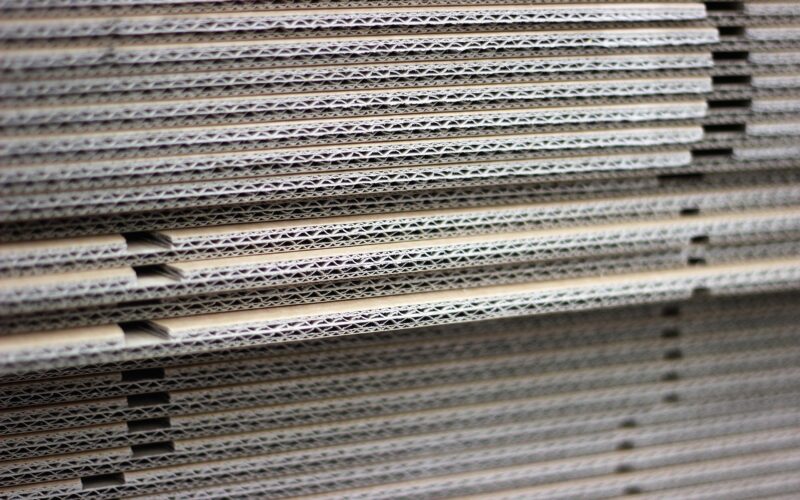
Selecting appropriate materials is perhaps the most critical step in balancing appearance with protective qualities. Modern advancements in material science have provided designers with an incredible array of options that do not force a compromise between looking good and staying strong. High-density corrugated boards can now be treated with specialised coatings that allow for high-resolution, vibrant printing without sacrificing their inherent crush resistance. Additionally, many sustainable materials are emerging that offer excellent tensile strength alongside a rustic, premium aesthetic that appeals to environmentally conscious consumers. The key is to thoroughly evaluate the specific journey your product will take and select a material that provides the necessary defence while still serving as a brilliant canvas for your brand artwork.
Testing and iterating for long term reliability
The final phase in mastering this balance is implementing a rigorous testing protocol before committing to a large-scale manufacturing run. It is simply not enough to rely on digital mock-ups or a single physical prototype resting safely on a boardroom table. Packaging must be subjected to real-world stress tests, including drop simulations, vibration testing, and prolonged exposure to varying humidity levels. These trials reveal the hidden weaknesses in a design, allowing teams to make necessary structural reinforcements before the packaging reaches the consumer market. By continuously iterating based on tangible test data, businesses can confidently launch products that command attention on the shelf whilst possessing the underlying strength to survive the demands of global distribution.